


יו"ר: יעל בר-צדק
|
תמונה
|
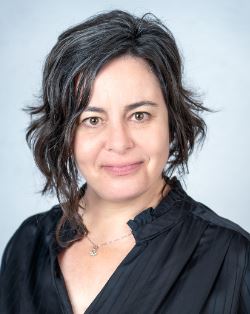
ד"ר יעל בר-צדק היא מרצה בתוכנית ללימודי מגדר ומנהלת הנציבות למגוון ומגדר של אוניברסיטת בר-אילן. מחקריה עוסקים בסוגיות של הטרדה מינית, ייצוגייה התקשורתיים ומשמעויותיה הסוציולוגיות, באקטיביזם פמיניסטי ולהטבק"י כנגד הטרדה מינית, ובשאלות של דור ראשון להשכלה גבוהה בישראל. כיום היא חוקרת, יחד עם ד"ר גילי הרטל, הטרדות מיניות במרחבים של הקהילה הגאה במחקר שזכה לתמיכת הקרן הלאומית למדע. יעל היא יו"ר משותפת של קהילת קוויר-להט"ב באגודה הסוציולוגית. לפני כן שמשה כיו"ר משותפת של קהילת מגדר של האגודה. |
עבודה רגשית ונקודות שבירה: לקחים מאקטיביסטים בתנועה הטרנסית | רות בלט
Social movement theories have not adequately dealt with the complex and potentially conflictual relationships between social movement activists and their allies. This study fills this gap by investigating the emotional practices that trans activists use to navigate dependence relations and power inequalities in the ally-allied relationship.
We label these practices “allied emotional labor”: the emotional work that activists do to cultivate ally relationships while simultaneously advancing their political and social agenda. Based on interviews with 41 trans activists in the United States and Israel, we explore the dimensions and effects of allied emotional labor to develop theory on the politics of emotions within the ally-allied relationship.
We found that allied emotional labor entails filling in the gap between what activists are supposed to feel and what they experience. For example, activists are supposed to be patient (e.g., in answering intrusive questions) even when they are feeling impatient, they are supposed to be grateful even when they are feeling resentful (e.g., of their dependence on allies), and they are supposed to be positive even when they are feeling bitter or angry.
In addition, trans activists engage in affective and bodily practices in their relationships with cisgender allies that both disrupt and maintain power relations. These practices maintain ally engagement with the movement, though sometimes at the expense of activists’ ideals, leading to activist weariness and exhaustion.
When they cannot not engage in this form of labor, activists turn to various forms of self-care. In extreme cases, they “snap,” an experience where allied labor breaks down, potentially hurting the ally-allied relationship. Activist snap can involve a regrettable loss of control that harms ally-allied relationships. Yet sometimes it is strategic, both as a means of undermining and thus changing power relations, and as a means of activist self-preservation.
|
תמונה
|
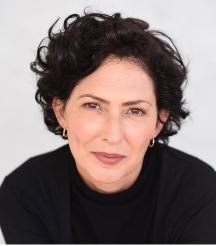
Ruth Blatt is a Ph.D. student in the Gender Studies Program at Bar Ilan University. Her research focuses on the relationship between allies and social movement activists, specifically in the trans social movement in Israel and the United States. |
ונזכור את אלו שנשמותיהם.ן נלקחו באלימות טרנסופובית: תפילות יהודיות ליום הזיכרון הטרנסי | אלעזר בן לולו
יום הזיכרון הטרנסג'נדרי (TDOR) המצוין מדי שנה בחודש נובמבר, נועד להנציח א.נשים שאיבדו את חייהםן כתוצאה מאלימות טרנספובית. היום המשמעותי והכואב הזה, יחד עם אירועים נוספים וימי ניראות (visibility days) בלוח השנה הקווירי, שואף לטפח מודעות ולעודד שיח ציבורי פתוח ומכבד על מיניות וזהויות מגדריות א-בינאריות.
מחקר זה, כחלק ממחקר רחב יותר שעליו אני עמל המוקדש לבחינה סוציולוגית-אנתרופולוגית של ליטורגיה יהודית קווירית, בוחן תגובה יהודית לא-אורתודוכסית להכרה ביום זיכרון זה באמצעות ניתוח טקסטים ליטורגיים חדשים שנועדו להנצחת הקורבנות ועילוי נשמותיהםן.
על ידי הכרה במשמעות הזיכרון בתוך המסורת היהודית ותפקידו בטיפוח סולידריות ואמפתיה קהילתית, אני טוען שהתפילות הקוויריות חותרות לשלב קורבנות טרנסים\יות במערך הטקסי הריטואלי-היהודי, ובכך להעלות את זיכרונםן והנצחתםן. התפילות, שחלקן נכתבו על-ידי רבנים ורבות השייכים לקהילה הטרנסית והא-בינארית, משקפות מתח דינמי בין שימור הדפוסים והמבנים הליטורגיים המוכרים של תפילות אבל יהודיות מסורתיות, לבין חידוש, כדוגמת הטמעת אלמנטים חדשניים, פרפרזות, ודה-קונטקסטואליזציה של התפילות המוכרות.
עשייה דתית-יצירתית זו טומנת בחובה פוטנציאל לטפח הכלה עבור יהודים טרנסים וא-בינאריים בין כתלי הקהילה היהודית, ובכך להוות ערוץ נוסף במאבק בטרנספוביה, במיוחד בזירות דתיות שהוקיעו מתוכן, ואף עדיין לצערנו מנדות מתוכן, א.נשים טרנסים.
|
תמונה

|
ד"ר אלעזר בן לולו, אנתרופולוג חוקר דת, מיניות ומגדר. חבר סגל במחלקה לסוציולוגיה אנתרופולוגיה באוניברסיטת אריאל. השתלם פוסט דוקטורנט במרכז כץ למחקרי יהדות מתקדמים באוניברסיטת פנסילבניה. במקביל שימש חוקר אורח באוניברסיטת פורדהם (ניו יורק) ועמית מחקר במרכז עזריאלי ללימודי ישראל (מעל"י) במכון בן גוריון לחקר ישראל והציונות שבאוניברסיטת בן גוריון בנגב. |
הדרה מכלילה: תהליכי חיברות של נוער קווירי בין מערכת החינוך והצבא | ברנדון אפשטיין
Childhood is a period of exploration, but society often seeks to control its unpredictability by directing youth into socializing practices like education and mandated civil service. These practices reinforce societal norms, particularly regarding sexuality and gender.
In Israel, the Israel Defense Forces (IDF) and the Ministry of Education (MinEd) play key roles in shaping youth identities through implicit and explicit expectations of what it means to be Israeli. However, completing education or military service no longer guarantees full rights and benefits in Israeli society, particularly for queer youth.
This presentation compares Israeli education and military service, arguing that both institutions function similarly as mechanisms of socialization, especially concerning sexuality and gender, serving as inconsistent or fragmented forms of sexual citizenship (Mandelbaum, 2018; Samov and Yishai, 2018).
This presentation synthesizes critical discourse analysis and queer linguistic approaches (Leap, 2023) about Israeli queer youth narratives, exploring their embodied experiences within these institutions and how they are both included and yet excluded as citizens (Levon, 2014; Girsh, 2019; Pizmony-Levi, 2019).
To achieve this, two theoretical frameworks—sexual strangers (Phelan, 2001) and pedagogy of nation (Millei, 2019)—are used to highlight connections between identity practices, citizenship, and the experiences of queer youth within these institutions. The presentation contextualizes their experiences against the evolution of the IDF and MinEd policies and practices towards queerness.
It employs literature on queer and affect theories, sexual citizenship, and Israeli militarism to demonstrate how queer youth are both included and yet simultaneously excluded within these institutions.
The presentation contributes to the limited literature on youth discursive constructions of sexual citizenship (Pinson, 2008; Aggleton et al., 2019) by analyzing narratives from queer Israeli youth regarding their experiences in education and military service. It concludes by discussing the implications and effects of policy versus practice within these State institutions onto queer youth (sexual) citizenship.
|
תמונה

|
Brandon William Epstein is a PhD candidate in Gender Studies at Bar-Ilan University under the direction of Dr. Gilly Hartal (BIU) and Dr. Tommaso M. Milani (The Pennsylvania State University). He researches Israeli queer youth languaging, queer pedagogies, and youth linguistic and sexual citizenship within Israel. In addition, Brandon has 10 years of K12 classroom experience having taught multiple languages in the US, France, and here in Israel. He recently published in the Oxford Research Encyclopedia of Queer Studies and Communication (Pascar et al., 2022), Language and Sexuality (Epstein, 2023), and contributed a chapter to the Routledge Handbook of Language and Youth Culture (Svendsen and Jonsson, 2024). |
פוליטיקה מרחבית, הומולאומיות ופינקוושינג: ניתוח עכשווי בישראל | גילי הרטל, חן משגב
בהרצאה זו נתמקד בניתוח של מצעדי גאווה בישראל בעת האחרונה. אנו שואלים מה תפקידה של פוליטיקה של מיניות ושימוש בקהילות להט"בק+ במקומות שונים ככלי להבניה פוליטית של פינקוושינג. מטרתנו היא להדגיש כיצד מצעדים שונים, והפוליטיקה שסביבם, מאפשרים פוליטיקה הומולאומית וכוללים אופנים מסוימים של פינקוושינג הפועלים במעגלים מרחביים שונים - ברמה עירונית ומקומית, ברמה לאומית-מדינתית וברמה הגלובלית. לשם כך אנו מתמקדים במצעדי גאווה בתל אביב-יפו ובשתי ערי פריפריה נוספות.
נדון בניואנסים במדיניות המקומית כלפי אנשים וארגונים להט"בק+ וננתח רשתות והשפעה גלובליות ומקומיות. באמצעות ניתוח זה אנו שואפים לפענח את הדרכים שבהן קבלה ותמיכה של עיריות, רשויות מקומיות, משרדי ממשלה וסוכנויות מדינה אחרות משפיעות על הפוליטיקה של פינקוושינג. מבחינה תיאורטית, נתמקד במושגים מתוך תיאוריה קווירית ובפרט בגאווה ובושה, ובהתפתחות המונחים הומולאומיות ופינקוושינג במזרח התיכון בכלל, ובמיוחד בישראל, לפני ואחרי ה-7 באוקטובר 2024.
נטען כי מבט על סקאלות שונות של מצעדי גאווה במרחב הציבורי מאפשר להבין לעומק פוליטיקה הומולאומית ופינקוושינג, ולהבין טוב יותר את הדרכים שבהן מיקומים שונים מייצרים פוליטיקה מגוונת של פינקוושינג ואופני דיכוי.
|
תמונה
|
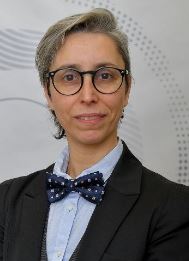
גילי הרטל היא מרצה בכירה בתוכנית ללימודי מגדר באוניברסיטת בר-אילן. תחומי מחקרה נוגעים לפוליטיקה להט"בית במרחבים אקטיביסטים בישראל ובפרט הומולאומיות, תיירות הגאה לתל אביב, סובייקטיביות פוליטית של נשים לט"ב בפריפריה ואפשרויות של עתיד הטמונות במצעדי גאווה בערים ישראליות. כיום היא עובדת על פרויקט מחקר שעוסק בהטרדות מיניות במרחבים של הקהילה הגאה. יחד עם ד"ר עדי מורנו היא הקימה את קהילת המחקר הלהט"ב-קוויר באגודה הסוציולוגית הישראלית. הקהילה נועדה להוות בית אקדמי למחקר בתחומים שקשורים במיניות במסגרת מדעי החברה והרוח. |
|
תמונה
|
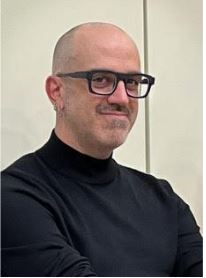
חן משגב הינו מתכנן ערים, גיאוגרף חברתי-פוליטי וחוקר מגדר ומיניות בהקשרים אורבניים, והוא משמש כיו״ר עמותת ״במקום- תכנון וזכויות אדם״. מחקריו עוסקים בהצטלבות של פוליטיקה עירונית, תנועות חברתיות ואקטיביזם, מאבקים תכנוניים וקהילות. חן עוסק גם בסוגיות של מגדר ומיניות בעיר, ובפרט בהקשר לתנועות חברתיות עירוניות ואקטיביזם. מחקריו התפרסמו בכתבי עת בארץ ובעולם והוא עוסק בהוראה וריכוז אקדמיים במספר מוסדות בשיטת ״הפירורים״, אך נטול משרה תקנית ראויה למרות הישגיו האקדמיים עקב הומופוביה, נפוטיזם, פטרוניזם ופריפריאליות בהן נגועה האקדמיה המקומית. |