



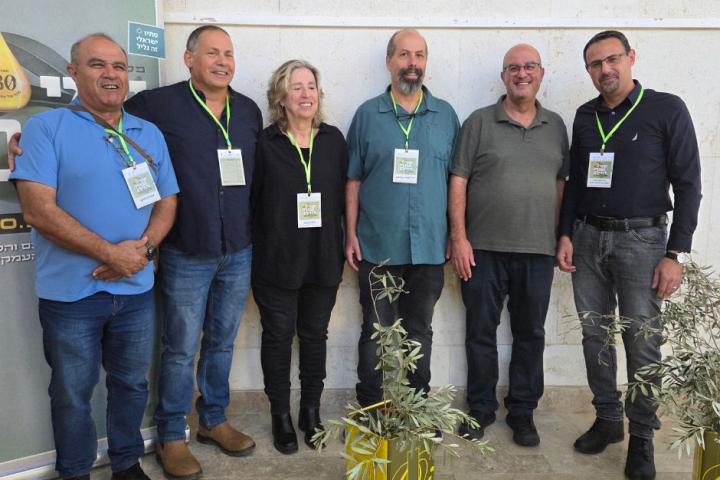
At a recent conference held at Tel-Hai, the “Olive Sector – Roots of Innovation” conference, as part of the Galilee, Golan, and Valleys Olive Days Festival, we explored innovation in the olive sector across agriculture, science, regulation, and culinary fields.
The conference brought together researchers, growers, industry leaders, and culinary innovators to examine olive oil through diverse angles, including traditional and modern cultivation, quality standards, health benefits, and cutting-edge developments through multiple perspectives. The discussions spanned traditional and modern cultivation, regulation and quality standards, health benefits, and cutting-edge developments shaping the future of the olive sector.
The Olive Days Festival aims to strengthen the Galilee’s agricultural, tourism, and cultural landscape while supporting professional growth within Israel’s olive industry. Tel-Hai’s conference served as a key pillar of this regional initiative, produced in collaboration with the Olive Sector at the Plants Council, Tel-Hai’s Department of Food Sciences, and the Galilee Development Authority.
Conference Chair Dr. Loai Basheer, Head of the Department of Food Sciences at Tel-Hai, emphasized the particular significance of this year’s gathering amid the challenges facing Israeli agriculture, from the rehabilitation of the north and grower hardships to questions of product authenticity, regulation, and the evolving tourism landscape in the Galilee.
As part of the conference, Dr. Basheer, delivered a fascinating talk on “Olive Oil: Chemistry and Health" presenting interesting insights into the chemistry and health benefits of olive oil:
- Extra virgin olive oil is, scientifically speaking, fresh fruit juice- no chemical processing allowed.
- Over 98% of olive oil is made of fatty acids, but its health benefits come from the small fraction rich in antioxidants and polyphenols
- Its main fat is monounsaturated, making it the most efficiently metabolized fat in our diet
- Quality isn’t judged only in the lab - it’s also evaluated by certified sensory tasting panels
- The bitterness and peppery kick of high-quality olive oil are actually signs of beneficial polyphenols
- Some fresh olive oils contain phenolic compounds with activity similar to ibuprofen
- Although frying is not considered a healthy cooking method, frying with olive oil has clear advantages over other vegetable oils- making the claim that “olive oil is not suitable for frying” nothing more than a myth.
The conference featured a wide range of expert perspectives: Dr. Adi Na’ali, Head of the Olive Sector, spoke about the future of the industry in Israel; Dr. Omer Krain from MIGAL presented new findings on ancient olive trees in the Galilee and Golan; and Prof. Arnon Dag from the Agricultural Research Organization discussed cultivation practices and their impact on olive oil quality. Ali Sweidah from the Ministry of Health led a session on regulation alongside a guided tasting, while Dr. Yaniv Ovadia of Barzilai Medical Center shared insights from a new experimental olive-oil–based treatment for women at risk of preeclampsia. Revital Mashaal, CEO of PhenOlives, highlighted innovation and added value in the olive sector, and Dr. Meir Shlisel, Head of Tel-Hai’s Analytical Laboratory, presented new laboratory services. The conference concluded with a culinary workshop led by chef Hila Alpert and Yohanan Gerber, featuring creative Galilean dishes centered on innovative uses of olive oil.
We are proud to stand at the forefront of academia that is deeply connected to the unique landscape and resources of the Galilee, turning regional knowledge and scientific expertise into meaningful impact.