
About the Laboratory

Our research addresses fungal resistance and tolerance, which are major challenges with far-reaching consequences for global agriculture and human health. We focus on uncovering how gene expression regulation contributes to the development and persistence of antifungal resistance and tolerance. In parallel, we investigate the antifungal potential of plant-derived compounds using advanced genomic approaches, with a particular emphasis on genome-wide CRISPR screens. By dissecting the genetic and molecular mechanisms that drive fungal resistance and tolerance, our lab is committed to developing innovative, sustainable antifungal strategies. 
 

Research Areas

Antifungal Resistance Mechanisms: Uncovering the genetic factors and molecular pathways that enable fungi to develop resistance to both synthetic fungicides and natural antifungal agents. 


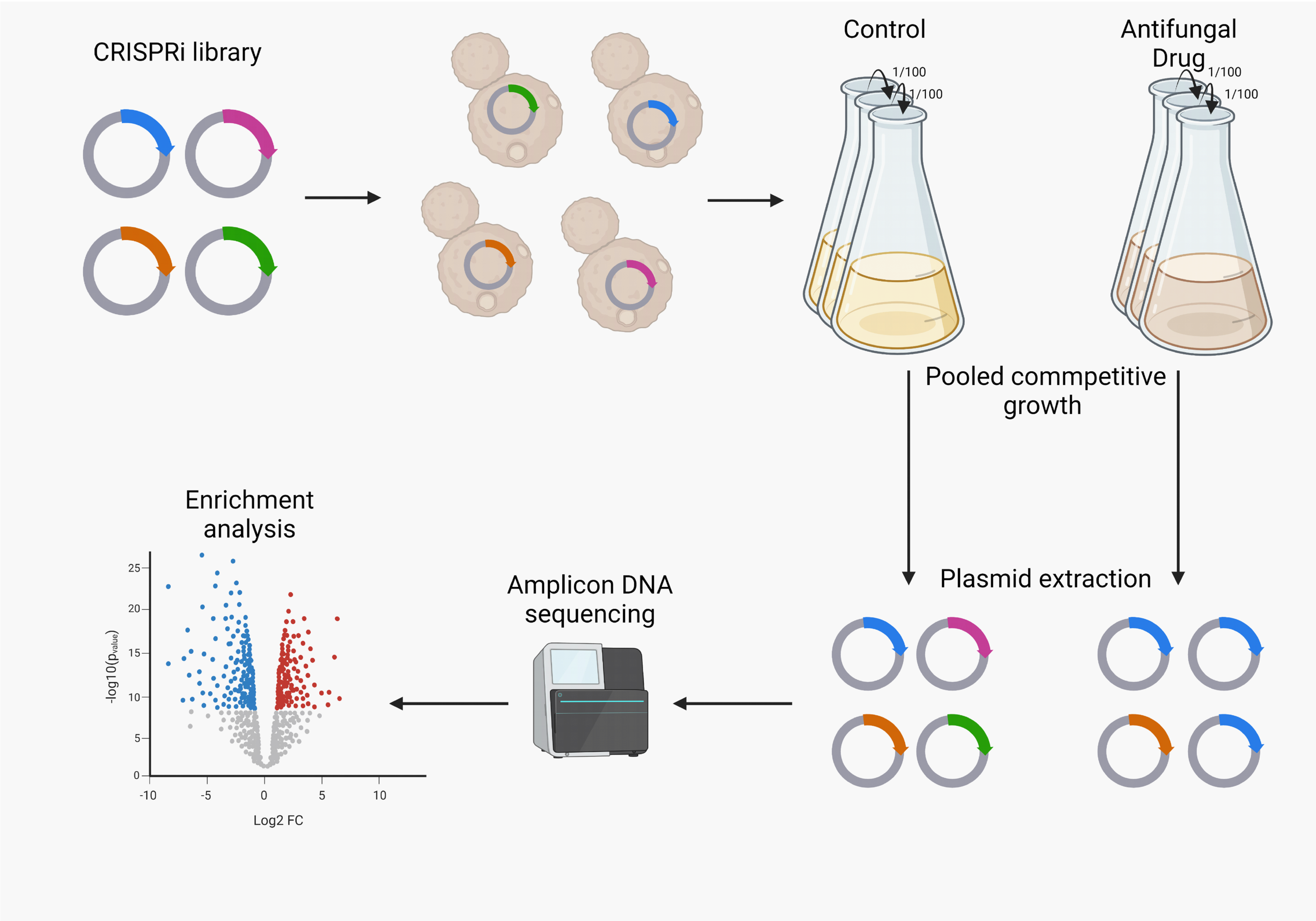
CRISPRi-Based Genomic Screening: Utilizing CRISPRi technology to perform unbiased, high-throughput screening to identify novel molecular pathways involved in antifungal resistance.
 

תמונה
איור למחקר: סריקות גנומיות מבוססות CRISPRi


Plant-Derived Compounds: Investigating the antifungal properties of Plant-Derived compounds and their potential as eco-friendly alternatives to synthetic fungicides.

תמונה
איור למחקר: תרכובות ממקור צמחי
Accordion Title Staff and Researchers

Staff and Researchers

Dr. Ofri Levi – Head of Laboratory 
 
Mail: [email protected] 


Hazem Khamaisi – Laboratory Manager 
Mail: [email protected] 


Dr. Rina Zuchman – Postdoctoral Fellow 
Mail: [email protected] 


Nour Sleman – M.Sc. Student 
Mail: [email protected] 
 

Research at the Laboratory

Research at the Laboratory

Accordion Title Genome-wide CRISPRi Screening for Antifungal Resistance

Genome-wide CRISPRi Screening for Antifungal Resistance

In this project, we are utilizing a comprehensive CRISPRi library to systematically target all genes in Saccharomyces cerevisiae. The goal is to identify key genetic factors that contribute to antifungal resistance. By employing high-throughput screening techniques, the lab seeks to uncover novel pathways and genes that could be targeted to overcome resistance to both synthetic and natural antifungal compounds.
 

Accordion Title Identifying Plant-Derived Antifungal Agents and Enhancing Drug Synergy for an Expanded Antifungal Toolkit

Identifying Plant-Derived Antifungal Agents and Enhancing Drug Synergy for an Expanded Antifungal Toolkit

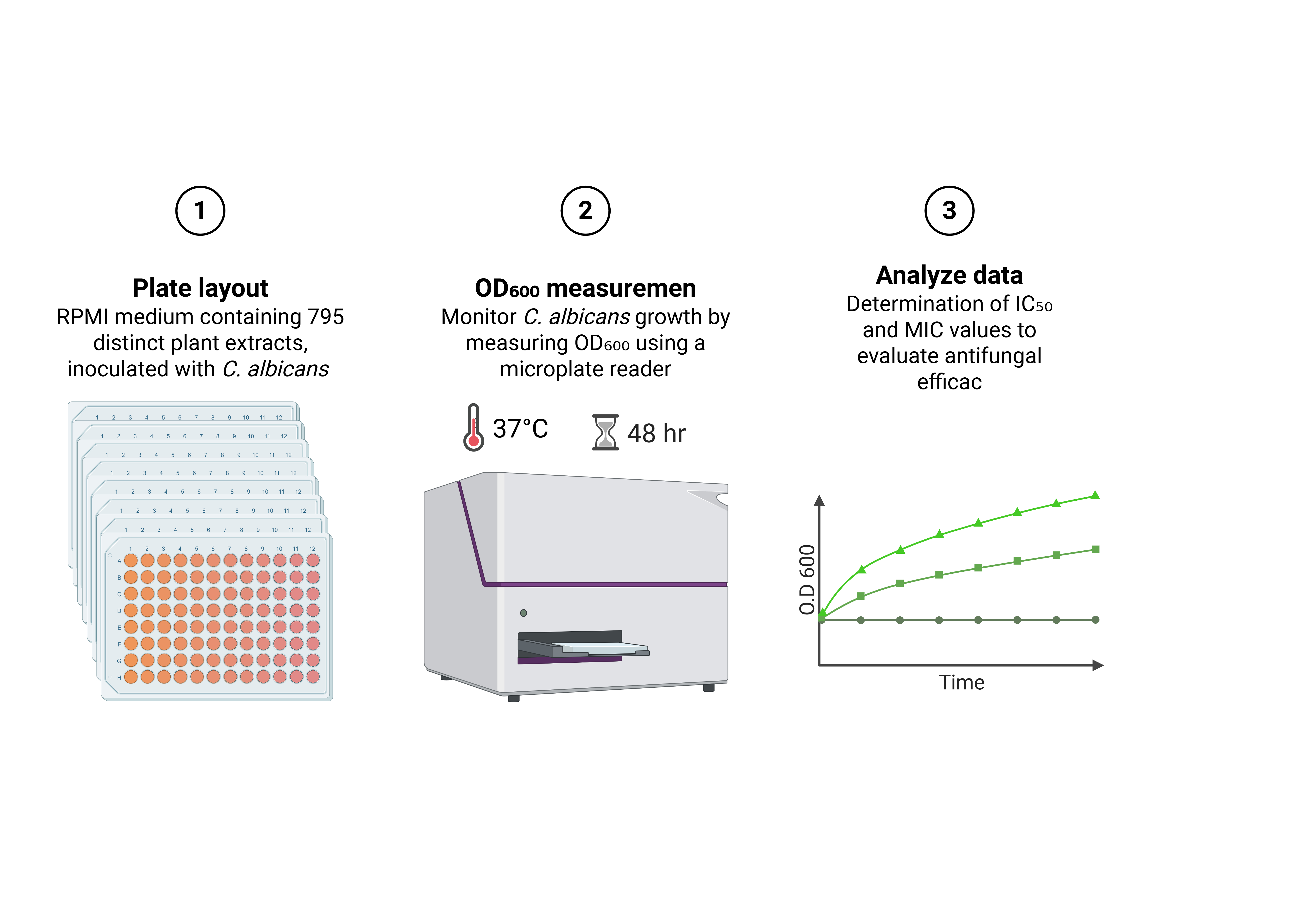
In this project, the lab screens a diverse library of plant-derived compounds to identify those with strong antifungal properties. Promising compounds undergo further purification and are tested against fungal pathogens such as Candida albicans. The research also explores synergistic combinations of these natural compounds with existing antifungal drugs, aiming to create new, more effective treatments. This project is crucial for expanding the available antifungal toolkit and addressing resistance issues in both agricultural and clinical settings.
 

Accordion Title Characterization of Fungal Responses to Plant-Derived Compounds

Characterization of Fungal Responses to Plant-Derived Compounds

This research focuses on how plant-derived compounds, such as Ferulic Acid, affect fungal growth and resistance mechanisms. The lab aims to understand the molecular interactions between these compounds and fungal cells, which could lead to the development of new, potent, and sustainable antifungal agents.
 

Accordion Title Selected Publications

Selected Publications

Levi O, Zuchman R, Sleman N, Koren R, Khamaisi H, Horwitz BA. 0. Genome-wide CRISPRi screen and proteomic profiling identify key genes related to ferulic acid’s antifungal activity. mBio 0:e01909-25.

Kasper P. Lundquist, Isabella Romeo, Raffaele B. Puglielli, Maëlle Pestalozzi, Marie L. Gram, Emily S. Hudson, Ofri Levi, Yoav S. Arava, Charlotte H. Gotfredsen, Mads . H. Clausen Design, synthesis, and screening of an RNA optimized fluorinated fragment library. SLAS Discovery, Volume 31, March 2025, 100215

Ofri Levi, Monalisha Mallik and Yoav Arava. ThrRS-mediated translation regulation of the RNA polymerase III subunit RPC10 occurs through an ASL-like structure and affects tRNA levels. Genes (2023).